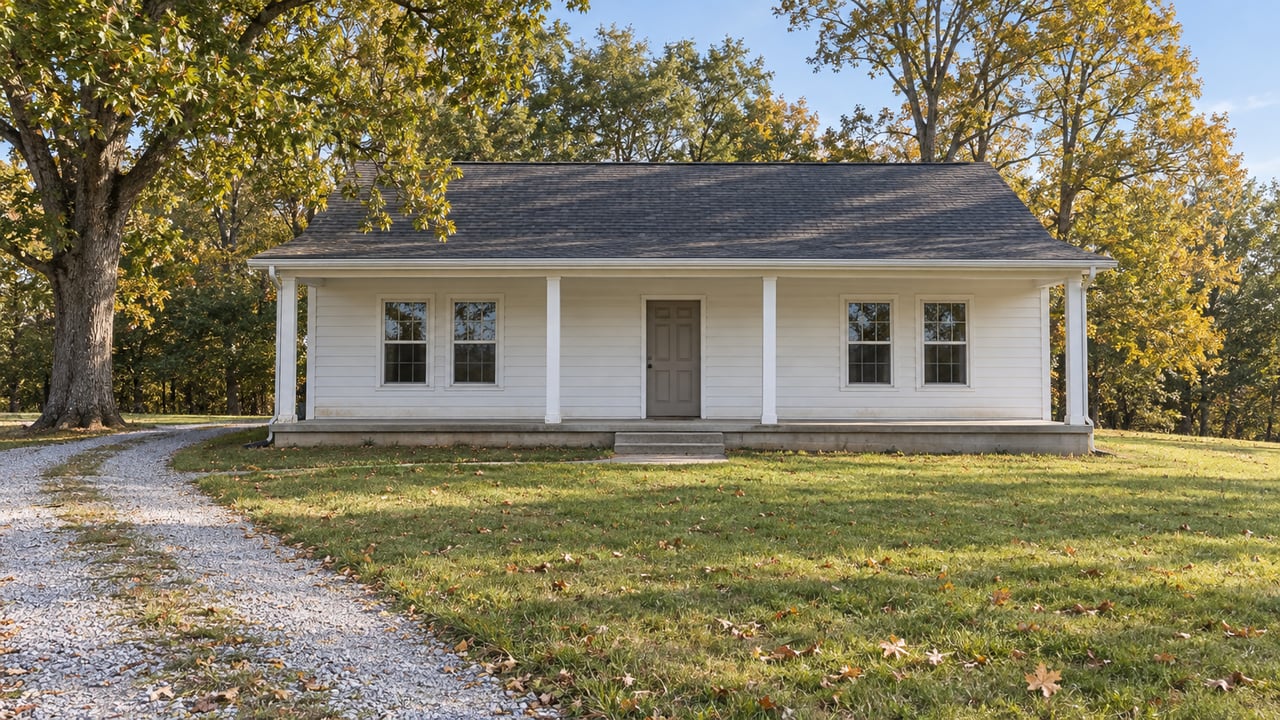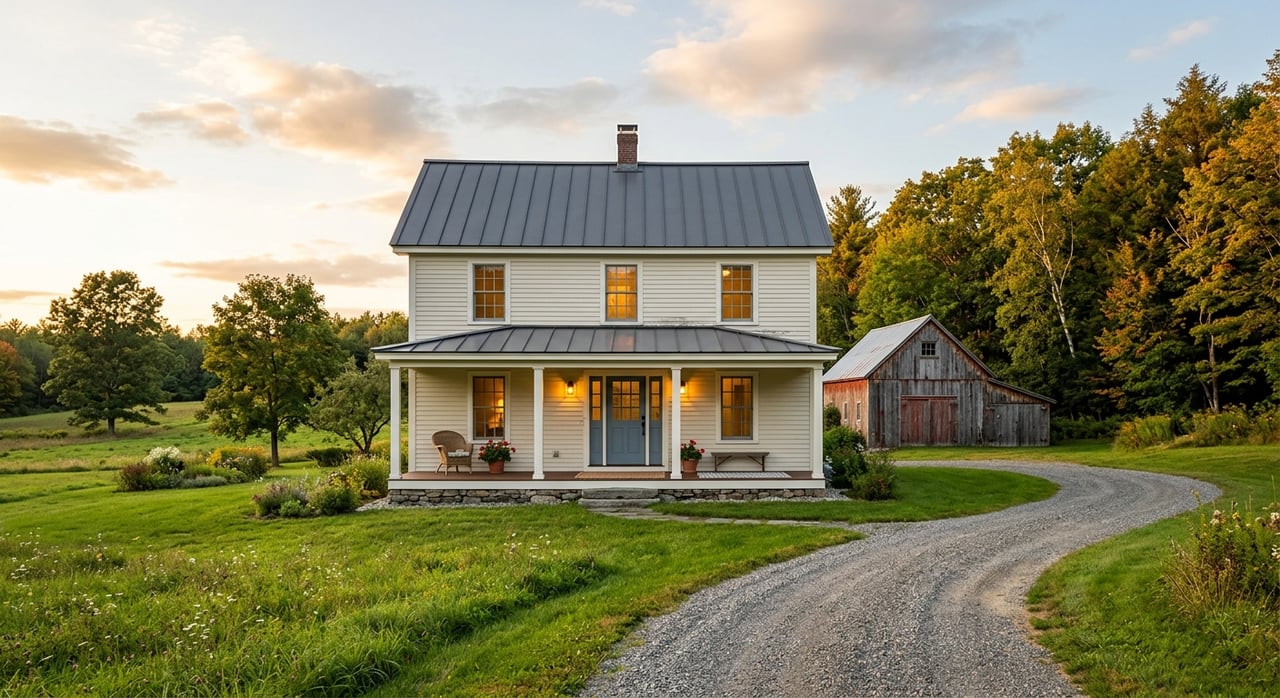
Ever wonder what day-to-day life on a small farm in Howell County really feels like? If you are dreaming about a few acres, some animals, and a quieter routine, it helps to look past the picture-perfect view and understand the rhythm of rural living here. Howell County offers a blend of pasture-focused farm life and practical access to West Plains, and that balance is a big part of its appeal. Let’s dive in.
Why Howell County Fits Small-Farm Living
Howell County is rural, but it is not cut off from everyday needs. The county has an estimated 40,798 residents spread across 927.18 square miles, which comes out to about 42.9 people per square mile. That lower-density setting shapes the pace of life, from longer drives to a stronger focus on land, weather, and self-sufficiency.
At the same time, West Plains gives you a reliable town hub for errands, services, and healthcare. City materials show a mix of public services, utilities, parks, recreation, library access, and community transportation. For many buyers, that means you can enjoy a country setting without feeling completely removed from what you need.
What a Small Farm Looks Like Here
If you picture a small farm in Howell County, think pasture more than row crops. The USDA’s 2022 Census of Agriculture reports 1,392 farms in the county with 363,963 acres in farms, and pastureland covers 193,886 acres compared with 68,532 acres of cropland. That tells you a lot about how land is used and what daily care often involves.
Livestock is a major part of the local farm economy. According to the same USDA data, 93% of agricultural sales in Howell County come from livestock, poultry, and related products, with cattle and calves leading the way. So if you are considering a hobby farm or a few head of livestock, you would be stepping into a landscape where grazing, fencing, hay, and water management are already part of the local way of life.
For a smaller acreage buyer, that can be encouraging. You are not trying to force a lifestyle that does not fit the area. Instead, you are looking at a county where the land, support resources, and farm patterns already line up well with pasture-based living.
Daily Life Centers on the Land
Life on a small farm usually comes with a steady list of hands-on tasks. In Howell County, those often include checking fences, watching pasture conditions, hauling feed, keeping water sources working, and planning around the weather. Even a modest setup can ask for consistent time and attention.
This is one reason many buyers find rural life rewarding but more active than expected. A home on acreage can offer privacy and flexibility, but it also puts more of the property’s upkeep in your hands. Your routine may include driveway maintenance, mowing, brush control, or watching how wet seasons affect your ground.
The Seasons Shape Your Routine
Spring Brings Growth and Mud
Spring is one of the busiest times on a small farm in Howell County. Climate normals for West Plains show average precipitation of 5.31 inches in April and 5.55 inches in May, so this part of the year tends to be green, wet, and fast-moving. Grass comes on strong, but so do muddy areas, drainage issues, and timing decisions for livestock.
MU Extension warns against turning livestock onto new grass too early. That matters because spring can look ready before forage is truly ready. If you are managing even a few animals, patience in early spring can make a difference in pasture health later on.
Summer Means Hay and Water Checks
July and August are the hottest months in the West Plains climate data, with average highs of 88.6°F and 88.4°F. On a small farm, that often means keeping a closer eye on water, shade, and general animal comfort. Heat changes your workday and can make routine chores feel bigger.
Summer is also when haying and weed pressure become common concerns. If your property includes pasture, this is the time when management decisions can affect what your land looks like going into fall. Even if you are not running a large operation, summer often becomes the season of maintenance and planning.
Fall Is Planning Season
As forage growth slows, fall becomes less about rapid growth and more about preparation. MU Extension notes that winter feed planning should start before forage growth ends. That is an important mindset for anyone considering small-farm life here.
In practical terms, fall may involve sorting hay, checking how much feed you have, and deciding how long your pasture can carry animals into colder weather. It is often the season when careful planning helps you avoid costly surprises in winter.
Winter Puts Systems to the Test
Once grass stops growing, hay feeding takes center stage. MU Extension also notes that poor hay-feeding practices can waste a significant share of a bale, which makes efficiency important. On a small farm, winter is often when you learn how well your setup really works.
A sacrifice lot or sacrifice pasture is commonly used to protect the rest of the ground from winter damage. That can help preserve better pasture areas when traffic, mud, and feeding pressure increase. If you are shopping for acreage, it is smart to think about where winter feeding and heavy use would happen on the property.
West Plains Adds Everyday Convenience
One of the strengths of living on a small farm in Howell County is that West Plains serves as a practical center for services. The city’s 2026 budget lists public safety, street maintenance, utilities, parks, recreation, a library, a civic center, and community transportation among the services available. That gives rural residents a nearby place to handle many day-to-day needs.
The city transit system runs Monday through Friday from 7:45 a.m. to 3:45 p.m. and charges $1.50 per rider. Stops include Ozarks Healthcare, the library, the civic center, and major shopping areas. Even if you drive most of the time, that kind of infrastructure helps show that Howell County’s rural lifestyle still connects to a workable town support system.
County offices are based in West Plains as well, and Missouri State University-West Plains adds local access to higher education. For many buyers, this country-with-town-hub setup is exactly what makes Howell County attractive.
Support for New and Experienced Landowners
If you are new to farm or acreage living, local support matters. MU Extension has a Howell County office in West Plains and offers services including hay testing, plant and insect identification, and private pesticide applicator training. The county also hosts grazing-school programming that covers forage quality, grazing-system layout, fencing, water sources, and the economics of rotational grazing.
That kind of support can be valuable whether you want a simple hobby homestead or a more active pasture-based setup. It does not remove the learning curve, but it does mean you are in an area where practical agricultural knowledge is part of the local network.
Costs Buyers Should Think About
A small farm can feel affordable at first glance, but land ownership often comes with extra layers of cost. Countywide census data shows median monthly owner costs of $1,109 with a mortgage and $394 without one. Those numbers offer a useful baseline, but rural properties can add expenses beyond the house payment.
Feed, hay, fencing, equipment, and pasture upkeep can all become part of the budget. Since Howell County is heavily livestock- and forage-oriented, those ongoing costs are especially relevant for buyers who want animals on the property. Even a hobby setup benefits from realistic planning.
Utilities and infrastructure are also a big part of due diligence. Rural homes may rely on private wells and septic systems rather than city utilities. Missouri DHSS recommends annual testing for private wells, and the EPA notes that septic systems generally should be inspected every 1 to 3 years.
Internet is another item to verify before you buy. Census data shows 85.6% of households in Howell County report a broadband subscription, and MU Extension notes that 75% of farms have internet access. Still, service can vary by property, so parcel-level confirmation matters.
Road Access Matters More Than You Think
One of the most important details on a rural property is how you get to it. The Howell County Commission oversees county roads and bridges, so buyers should understand how a property connects to public roads and who maintains that access. This becomes especially important during wet weather or winter conditions.
A beautiful piece of land can feel very different when access is difficult. Gravel roads, long drives, low-water crossings, and seasonal wear can all affect daily life. Before you buy, it helps to think through what access will feel like in every season, not just on a sunny showing day.
Is Small-Farm Life Right for You?
Life on a small farm in Howell County can be deeply rewarding if you want space, a hands-on routine, and a closer connection to the land. It can also require flexibility, planning, and a willingness to deal with weather, maintenance, and on-site systems that suburban buyers may not think about as often.
The good news is that Howell County offers a lifestyle many buyers are looking for: rural land, a strong pasture-and-livestock tradition, and the convenience of West Plains nearby. If you want a place where your home and your land work together, this part of southern Missouri deserves a close look.
When you are ready to explore acreage, farms, or country homes in Howell County, Denver Wade can help you look beyond the listing photos and focus on the details that shape daily life.
FAQs
What is small-farm life like in Howell County, Missouri?
- Small-farm life in Howell County is typically centered on pasture, livestock care, weather planning, hay, fencing, and regular land maintenance, with West Plains serving as the main town hub for services and errands.
What kind of farming is most common in Howell County?
- Howell County agriculture is mostly livestock-focused, especially cattle and calves, with much more pastureland than cropland according to the USDA’s 2022 Census of Agriculture.
What should buyers check before buying a small farm in Howell County?
- Buyers should verify road access, internet availability, well and septic details, pasture condition, fencing, water sources, and likely feed and maintenance costs.
How close are services to rural property in Howell County?
- Many rural properties in Howell County rely on West Plains for healthcare, shopping, county offices, utilities support, parks, the library, and other everyday services.
Is Howell County a good fit for a hobby farm?
- Howell County can be a strong fit for a hobby farm if you want pasture-oriented rural living and are prepared for the time, seasonal planning, and upkeep that come with managing land and animals.