Thinking about moving to Howell County without living nearby can feel like a lot to manage at once. You may be trying to learn the area, compare homes, line up a trip, and make smart decisions without seeing every detail in person. The good news is that a remote move can go smoothly when you follow a clear plan and focus on the right checkpoints early. Let’s dive in.
Start With Your Howell County Search Area
Howell County covers 928 square miles, so your home search may be wider than you first expect. West Plains is the county seat and largest city, but buyers also look at places like Willow Springs and Mountain View depending on price, land needs, commute, and property style.
That matters because a remote move is easier when you narrow your map before you start touring homes. If you want in-town utilities and easier access to services, your search may lean differently than if you want acreage, outbuildings, or a rural setting.
Define Your Must-Haves Early
Before you schedule a single virtual showing, build a simple list of non-negotiables. This helps you compare properties more clearly and keeps you from falling for photos that do not match your day-to-day needs.
Your list might include:
- Price range
- In-town home or rural property
- Acreage needs
- Drive time to West Plains
- Outbuildings or shop space
- Paved or gravel-road access
- Well and septic versus public utilities
- Room count and layout needs
In Howell County, these details matter because property types can vary a lot from one listing to the next. A home in West Plains can function very differently from a house on acreage outside town.
Treat Virtual Tours Like Real Showings
If you are relocating from afar, a live virtual tour should be more than a quick walkthrough. It should act as a true screening step that helps you decide whether a property deserves an offer or an in-person visit.
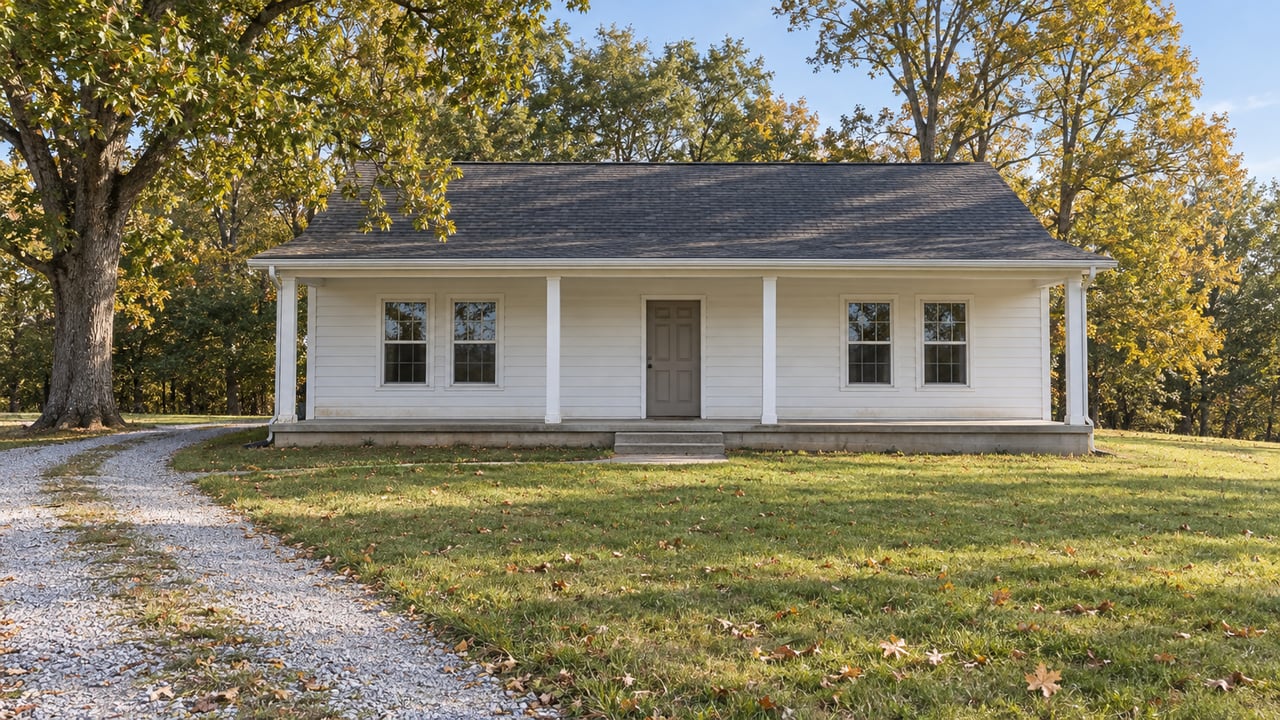
During a live tour, ask to see the parts of the property that photos often gloss over. For Howell County buyers, that usually means more than just the kitchen and living room.
What To See On A Virtual Tour
Ask your agent to show:
- The exterior from multiple angles
- The access road and driveway approach
- Driveway slope and parking areas
- The roofline
- Foundation or crawlspace access points
- Outbuildings and fences
- Utility locations
- The land immediately around the home
This step is especially important for rural and acreage properties. A house may look great online, but road access, site layout, and utility setup can shape whether it works for your lifestyle.
Ask Rural Property Questions Before Offering
If a home has acreage or sits outside city services, ask extra questions before you write an offer. This can save time, reduce surprises, and help you decide whether the property fits your comfort level.
Private well and septic systems deserve special attention. Missouri DHSS recommends annual private well testing, and transaction-specific testing may require a private lab. It is also wise to remember that septic systems and drinking-water wells can affect each other.
Key Questions For Acreage Homes
Before making an offer, ask about:
- Water source
- Septic system type and age
- Past well testing
- Utility providers
- Property boundaries
- Easements or shared access
- Outbuilding condition
- Flood and disaster risk
Flood and disaster risk should come up early while you are still comparing homes. That way, you can factor risk, insurance questions, and comfort level into your decision before you are emotionally committed.
Confirm Access And Road Details
Road access can be a bigger issue in rural Howell County than many out-of-area buyers expect. If a property sits on a private road or uses shared access, ask who maintains the road and how access works during winter weather.
This is a practical question, not a minor one. Howell County says the county commission is responsible for roads and bridges, so it is helpful to know whether the road is county-maintained or privately maintained before you move forward.
Get Offer-Ready Before You Fall In Love
Remote buyers benefit from being ready to act once the right home appears. That means having your financing, timeline, and decision-making process lined up in advance.
When you are moving from afar, delays can get expensive and stressful fast. If you know your budget, your preferred closing window, and your travel flexibility ahead of time, it is much easier to compete for a property without scrambling.
Schedule Inspection Quickly
Once your offer is accepted, move on the inspection as soon as possible. CFPB guidance says to schedule the home inspection quickly so there is time to resolve problems or complete additional inspections if needed.
This matters even more when you are relocating from another area. If the inspection turns up issues, you need enough time to review findings, ask follow-up questions, and decide whether to renegotiate or move on, depending on your contract terms.
Inspection Tips For Remote Buyers
Keep these points in mind:
- A home inspection is different from an appraisal
- Rural homes may need additional inspections or testing
- Well and septic concerns should be addressed early
- Inspection timing matters because follow-up steps can take time
For a property with land, outbuildings, or older systems, you may need a more detailed review than you would for a standard in-town home. Planning for that upfront helps keep the process calm and organized.
Plan Utilities Before Closing
Utility setup should not wait until the last minute. In West Plains city limits, utility planning is part of your pre-closing checklist because the city policy covers electric, water, sewer, and trash.
The city requires deposits before service starts, same-day processing is not guaranteed, and a one-day inspection turn-on is only available with a written request at least three business days in advance. If you are flying in close to closing or arriving with a moving truck, those timing details matter.
Outside city service, electrical planning may look different. Howell-Oregon Electric Cooperative, based in West Plains, serves more than 25,000 homes and businesses across six counties, so many rural addresses may need coordination there instead.
Ask About Remote Closing Options
A second trip may not always be necessary. Missouri allows remote online notarization, which can help streamline closing for buyers moving from out of town or out of state.
Still, do not assume every closing can be completed that way. Missouri’s process requires live audio-video presence, identity verification, and approved software, so you should confirm remote closing options with your lender and title company early in the transaction.
Verify Recording After Closing
After closing, it is reasonable to want confirmation that everything was properly recorded. Howell County’s Recorder of Deeds offers online search, deed notification service, e-filing, and lists recording fees of $24 for the first page plus $3 for each additional page.
For a remote buyer, that can be a helpful final checkpoint. It gives you a way to confirm the deed was recorded without having to be physically present.
Build A Simple Move-In Timeline
A cross-country or long-distance move gets easier when you handle the first administrative tasks in order. Once closing is near, create a short list with dates for mail, utilities, travel, and state paperwork.
Start with your address change. USPS says you can file a permanent change of address online or in person up to 90 days before the move and up to 30 days after, and forwarding may begin within 3 business days, though allowing up to 2 weeks is best.
If you are moving from another state, Missouri also has a vehicle and license timeline to remember. The Missouri Department of Revenue says new residents have 30 days to title a vehicle, and it provides separate processes for updating motor vehicle and driver license address records.
Plan Travel Around The Region
If you are flying in to shop homes, inspect a property, or move in, Springfield-Branson National Airport is the key regional airport to know. Its current information says four airlines provide daily service to 13 nonstop destinations.
That can help you think through travel timing as you compare whether you want to make one trip, two shorter trips, or handle most of the process remotely. A little planning here can make the entire relocation feel more manageable.
Why Local Guidance Matters
A remote move works best when you have clear communication and honest local context. In a market like Howell County, where buyers may compare homes in West Plains, rural acreage, and small-town properties across a wide area, the details behind the listing often matter just as much as the listing itself.
That is where practical local support can make a real difference. From coordinating live tours to helping you ask better questions about access, utilities, timing, and next steps, a responsive local team can help you move with more confidence and less guesswork.
If you are planning a move to Howell County from afar, Denver Wade can help you build a clear plan, narrow your options, and navigate each step with steady local guidance.
FAQs
How does a remote home search work in Howell County?
- A strong remote search starts with narrowing your target area, then using live virtual tours to screen homes by condition, access, layout, land, and utility setup before deciding whether to offer.
When should you schedule an inspection after an offer is accepted?
- As soon as possible after the offer is accepted, so you have time to review issues, request follow-up inspections, and respond within your contract deadlines.
What should you ask about a rural Howell County property?
- Ask about the well, septic system, utility providers, road maintenance, shared access, flood and disaster risk, and the condition of outbuildings and land features.
Can you close on a Howell County home without another trip?
- Possibly, because Missouri allows remote online notarization, but you should confirm that option with your lender and title company rather than assume it will be available.
What utilities should you plan for in West Plains or rural Howell County?
- In West Plains, city utility planning may include electric, water, sewer, and trash, while many rural addresses may need electric service coordinated through HOEC depending on the property location.
What should you do right after moving to Missouri from another state?
- File your USPS change of address, set up utilities, and remember that Missouri gives new residents 30 days to title a vehicle and update related records.