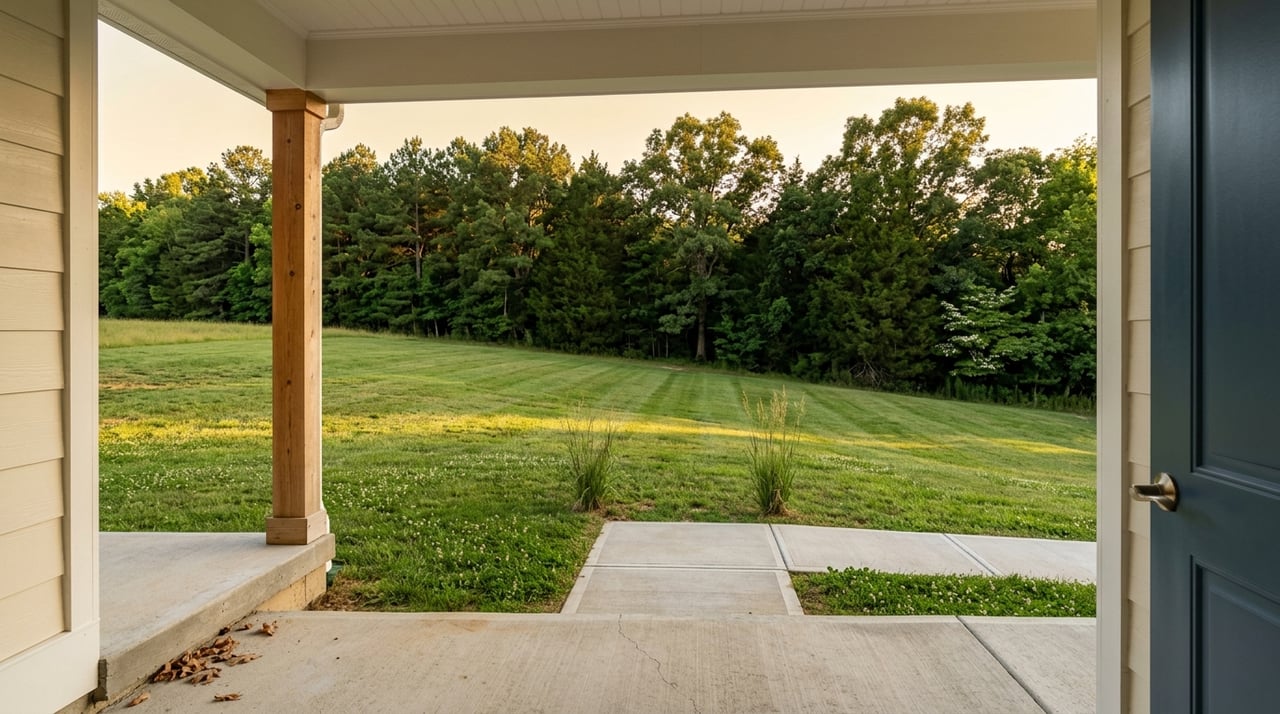
Buying acreage near Willow Springs can feel like finding freedom on a map. Then the questions start. Can you actually get to the property year-round, build where you want, and budget for the real cost of making the land work for your plans? If you are hoping for room to build, hunt, keep a few animals, or simply enjoy more space in the Ozarks, a little due diligence up front can save you time, money, and stress later. Let’s dive in.
Start With Access and Location
Before you get excited about the number of acres, confirm how you reach the property and who controls that access. Willow Springs sits at the US 60 and US 63 interchange, and Howell County is responsible for county roads and bridges. That makes legal access and road maintenance one of the first things to verify on any tract.
A property may have frontage on a public road, access from a private drive, or entry through an easement. Those are not the same thing in day-to-day use. You want to know whether access is recorded, practical in wet weather, and suitable for your plans if you expect deliveries, a future home build, or regular travel.
It also matters whether the land is inside Willow Springs city limits or outside in unincorporated Howell County. Inside the city, Willow Springs says it provides all utilities. Outside the city, the utility setup may look very different, which can affect both your budget and your timeline.
Check Zoning Before You Commit
If the acreage is inside Willow Springs, zoning deserves a close look early in the process. The city has nine zoning districts, including S-1 Flood Plain and S-2 Slope districts. A parcel that looks perfect on paper may still come with limits on how and where you can build.
This is especially important if you want a shop, outbuilding, or another nonstandard use. Willow Springs says landowners may request a special-use permit through the Planning and Zoning Committee and then the Board of Aldermen. That means your intended use may need review, even if the acreage itself seems like a fit.
For buyers, the practical takeaway is simple. Do not assume that open land automatically means flexible use. Confirm what is allowed before you make plans around the property.
Read the Ground, Not Just the Listing
In the Willow Springs area, the land can change quickly from one tract to the next. This part of the Ozarks includes rugged hills, rock outcrops, bluffs, thin stony soils, and narrow valleys with streams. A listing can describe a parcel as usable acreage, but the shape of the land often tells the real story.
Topography affects where a house can sit, how steep the driveway may be, and how much grading could be needed. If the land is heavily wooded, hilly, or broken up by low ground, the most buildable part of the tract may be smaller than you expect. That does not make the property a bad choice, but it does change how you evaluate value.
The nearby Mark Twain National Forest district around Willow Springs also reflects the area's common landscape, including oak-hickory forests, shortleaf pine forests, and glades. If you are shopping for timber, hunting use, or privacy, that local land pattern can be a plus. Still, wooded and scenic land often comes with more questions about access, clearing, and site prep.
Soil Can Change the Whole Budget
Soils in Howell County vary enough that two nearby parcels can behave very differently. USDA soil series in the area show that Egyptgrove soils are well drained but have slow permeability, Taterhill soils are used mainly for pasture, hay, and timber, and Wasola soils are somewhat poorly drained with a water table at 1 to 2 feet in most years.
That matters because soil and drainage influence septic design, grading needs, and where a homesite makes sense. A tract that works well for pasture or timber may still need more site work before it is ready for a house. In other words, acreage count is not the same as build-ready land.
Look Closely at Flood and Slope Issues
Low areas, creek-adjacent ground, and tracts with a flood history deserve extra attention. FEMA’s Flood Map Service Center is the official public source for flood hazard information, so it is worth checking the exact property location before you move forward.
Inside Willow Springs city limits, flood plain and slope districts can also affect what you can do with the land. These issues can influence buildability even before a lender becomes part of the conversation. If part of a tract sits in a low area or on steep ground, your usable homesite options may narrow fast.
This does not always mean you should walk away. It means you should understand the tradeoffs clearly. Some buyers are happy to accept more site planning in exchange for a better view, more woods, or a creek setting.
Plan Utilities Early
Utilities are one of the biggest differences between buying land in town and buying acreage outside town. Within Willow Springs city limits, the city says it provides all utilities, and its 2024 water-quality report states the public water system draws from groundwater wells. That can make planning more straightforward.
Outside the city, many acreage properties will need a private well, septic system, or both. If you are comparing tracts, find out early whether the property is actually connected to city services or whether you need to budget for private infrastructure. That one detail can shift the total cost by much more than buyers expect.
Private Wells Need More Than a Quick Yes or No
When a listing says a property has a well, that should start the conversation, not end it. Missouri DNR regulates water wells and requires permitted well and pump contractors for service work. For older tracts, you will want to know whether the well was built and maintained properly.
It is also wise to ask whether there are any abandoned wells on the property. DNR notes that unused wells should be properly plugged so they do not become a contamination pathway. If a property already has a well, private well testing through the Howell County Health Department can help you better understand water quality.
Septic Rules Depend on the Property
Septic is another area where details matter. Howell County Health Department states that a single-family residence on 3 or more acres does not require a septic permit, but a registered septic installer is still required unless the homeowner installs the entire system. For tracts under 3 acres, businesses, and major repairs, a permit, soil test, and $90 permit fee are required.
Missouri DNR also notes that septic system design depends on household size, soil type, slope, and proximity to sensitive water bodies. That helps explain why two nearby acreage tracts can have very different wastewater costs. If you plan to build, septic feasibility should be part of your early review, not a late surprise.
Budget Beyond the Purchase Price
Acreage buyers often focus on price per acre, but the land’s setup matters just as much as the asking price. Survey work, driveway and culvert improvements, clearing, grading, utility extension, and well or septic installation can quickly become major parts of the total investment.
Flood or slope mitigation may also affect the budget on certain tracts. A less expensive property is not always the better deal if it needs heavy site prep before you can use it the way you want. Looking at those costs early helps you compare properties more realistically.
Understand Taxes and Reassessment
Property taxes on acreage can change over time, especially if the property is improved or reclassified. Howell County’s assessor states that real property is reassessed every odd-numbered year, personal property every year, and the assessment date is January 1. The assessor values property, while local taxing jurisdictions set tax rates after public hearings.
For buyers, the key point is that current taxes may not tell the whole future story. If you add structures, change use, or buy a tract with improvements already in place, taxes may not stay the same. It is smart to ask questions about how the property is currently assessed and how future changes could affect ownership costs.
Financing May Not Work Like a Standard Home Loan
Not every acreage purchase fits neatly into a typical mortgage box. Financing can be more complicated when a property has more than 10 acres, agricultural income, or other nonstandard features. That can affect what loan options are available and what down payment or underwriting standards apply.
If the tract will function more like a farm or ranch, a different loan structure may make more sense. The most important step is talking with a lender who understands acreage and rural property early in the process. That helps you shop with a clearer budget and fewer surprises.
Questions to Ask Before You Buy
If you are comparing acreage near Willow Springs, keep these questions handy:
- Is the tract inside Willow Springs city limits or in unincorporated Howell County?
- Does it have legal access?
- Who maintains the road, drive, or easement?
- Where is the best homesite based on slope, drainage, and soil?
- Will the property need a private well, septic system, or both?
- Is any part of the land in a flood plain or steep-slope area?
- Will financing likely be treated as a standard home loan or a land or farm loan?
- What site-prep costs should be expected before building or using the land as planned?
Why Local Guidance Helps
Buying acreage is different from buying a house in a typical neighborhood. The right property is not just about location and price. It is also about road access, utilities, soils, drainage, financing, and whether the land truly supports your goals.
That is where local experience can make the process smoother. In a market like Willow Springs, having someone who understands rural property, Ozarks terrain, and the common questions buyers face can help you sort through tradeoffs with more confidence.
If you are thinking about buying acreage near Willow Springs and want practical, low-pressure guidance, reach out to Denver Wade to talk through your options.
FAQs
What should you check first when buying acreage near Willow Springs?
- Start by confirming legal access, road or drive maintenance, and whether the tract is inside Willow Springs city limits or in unincorporated Howell County.
Why does zoning matter for acreage in Willow Springs?
- Inside city limits, zoning districts including flood plain and slope districts can affect how land may be used and whether special approval is needed for certain plans.
Do acreage properties near Willow Springs usually need a well and septic system?
- Many properties outside city limits do, while parcels inside Willow Springs may have access to city utilities.
How do soils affect buying land near Willow Springs?
- Soil type can influence drainage, septic design, grading needs, and where a home can realistically be placed on the property.
How can flood risk affect acreage near Willow Springs?
- Flood-prone or low-lying areas can limit buildable space, increase planning costs, and affect how you use the property.
Are septic permits required for rural property in Howell County?
- A single-family residence on 3 or more acres does not require a septic permit, but a registered installer is still required unless the homeowner installs the full system; smaller tracts and certain other situations do require permits and soil testing.
Can financing be harder for acreage near Willow Springs?
- Yes, some acreage properties may not qualify as easily for a standard home mortgage, especially if the tract is larger or has agricultural features.
What extra costs should you expect when buying acreage near Willow Springs?
- Common added costs include surveys, driveway or culvert work, clearing, grading, utility extension, and private well or septic installation.